

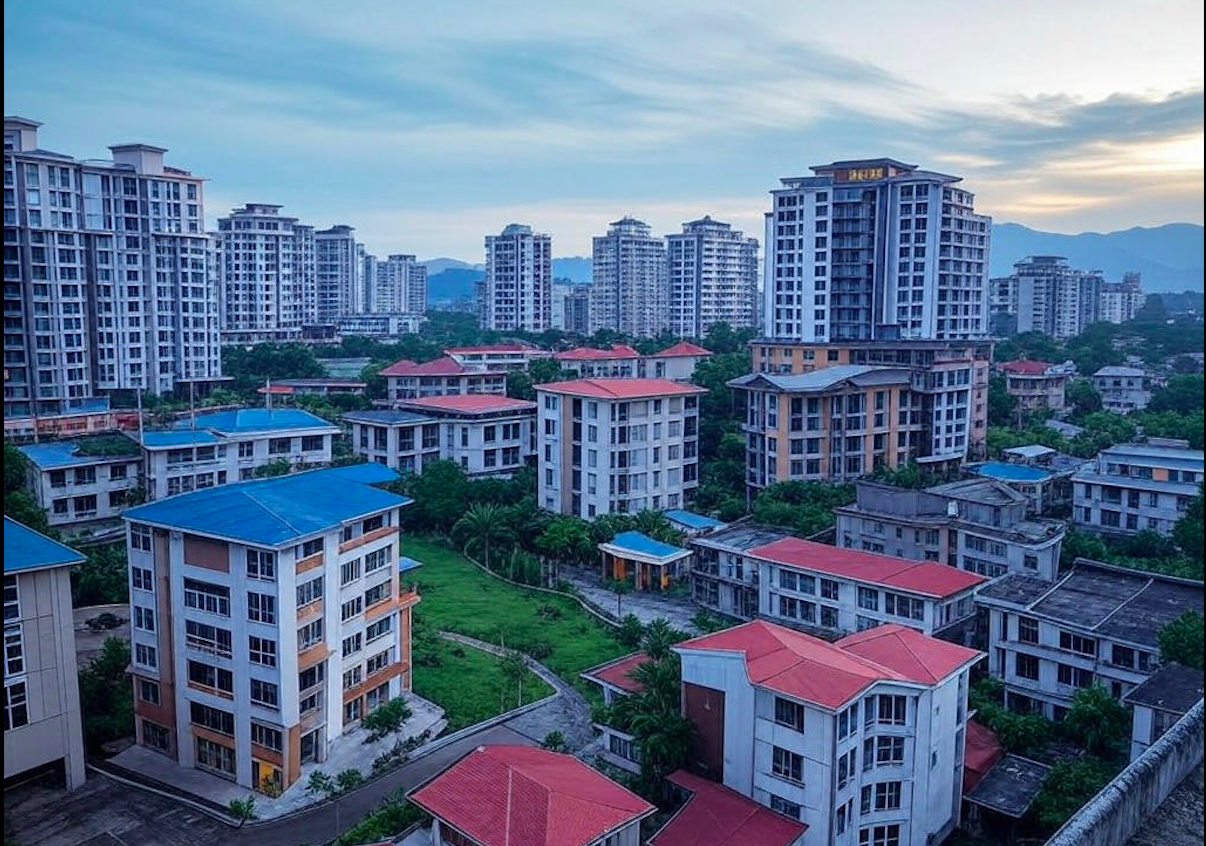

Nagaland Real Estate Ecosystem 2025 | Dimapur Urban Housing & Community Property Trends
Nagaland’s real estate market in 2025 reflects a deep integration of tribal land systems, customary ownership, and a gradual urban expansion centered around Kohima and Dimapur. Though development is slow-paced, it’s deeply community-driven and culturally preserved.
Key Urban Zones: Kohima & Dimapur
• Dimapur: Emerging commercial hub with rising demand for residential plots, rental spaces, and retail units
• Kohima: Focus on government quarters, hillside housing, and semi-urban layouts
Land Ownership & Tribal Norms
• Land is owned by tribes and communities, not individuals or the government
• Outside investors face strict legal restrictions
• Development is possible only through community approvals or partnerships
Infrastructure Developments
• Growth in smart roads, utility access, and digital infrastructure in Dimapur
• Urban planning includes PG hostels, apartments, and G+ structures
• Government housing schemes improving worker quarters and rural housing
Rental & Commercial Growth
• Increasing need for student PGs, private rentals, and local business spaces
• Local entrepreneurs developing multi-purpose buildings in growing townships
Challenges
• Land acquisition is highly localized
• Property sales are usually within tribes
• Lack of formal real estate regulation like RERA
Despite these hurdles, Nagaland’s urban zones are quietly transforming, with growth in digitized planning, local entrepreneurship, and state-supported housing.
Nagaland Real Estate 2025
From tribal towns to urban Dimapur, real estate in Nagaland grows with culture, care, and community.